What Is Sustainable Energy and Why Does Bangladesh Need It?
Energy plays a vital role in economic growth, industrial development, transportation, agriculture, communication, and everyday life. As Bangladesh continues to urbanize and industrialize, the demand for reliable electricity is also increasing. At the same time, concerns about fuel costs, energy security, environmental impact, and climate change are making it increasingly important to explore cleaner and more sustainable ways of producing and using energy.
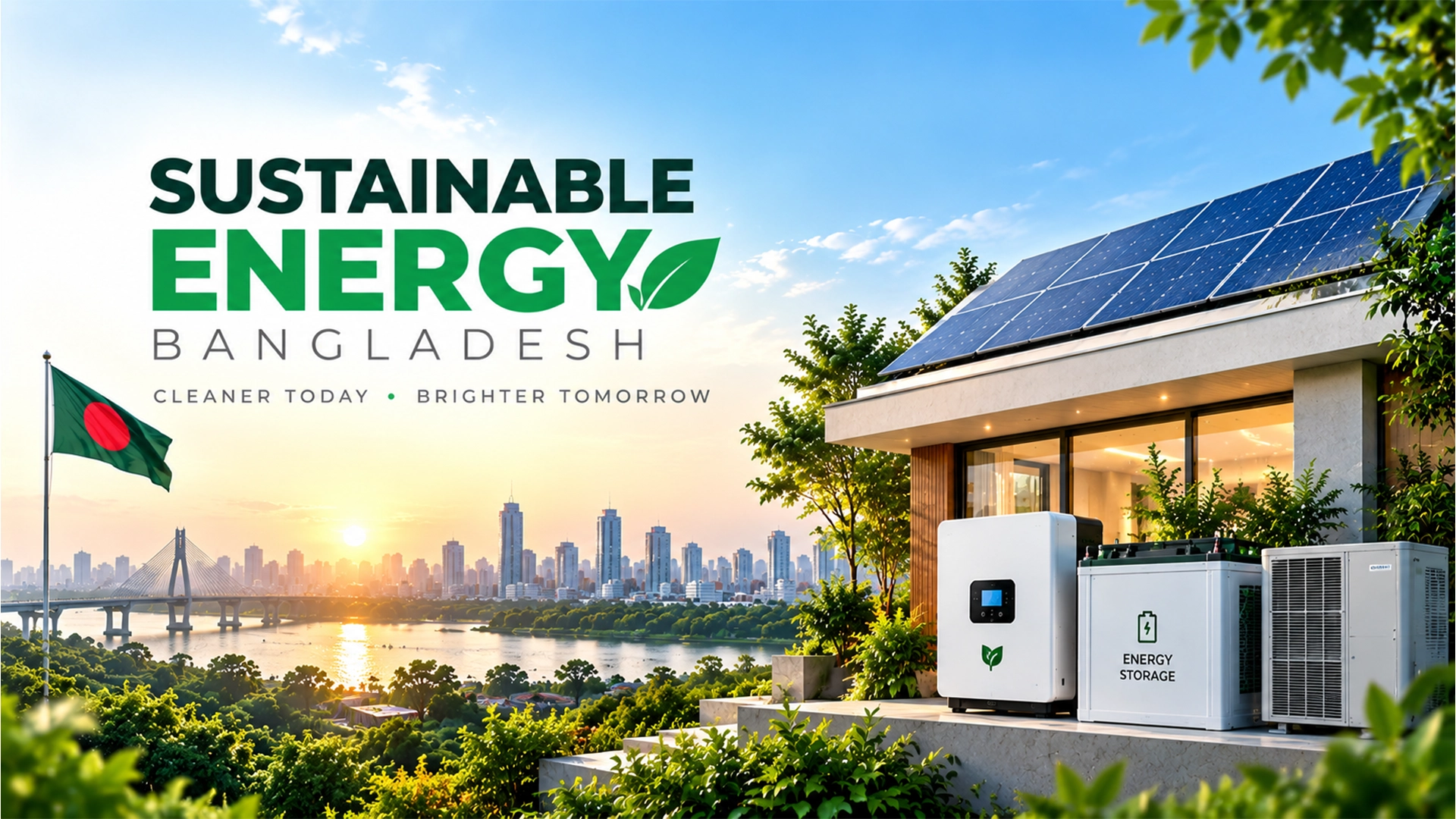
This is where sustainable energy in Bangladesh can play an important role. Solar power, renewable energy, energy storage, energy-efficient technologies, and smarter power management can help create a more resilient energy future for the country.
What Is Sustainable Energy?
Sustainable energy refers to energy that can meet present needs while limiting negative impacts on future generations. It focuses on producing and consuming energy in ways that are environmentally responsible, economically practical, and capable of supporting long-term development.
Renewable sources such as solar energy, wind energy, hydropower, and biomass are commonly associated with sustainable energy because they rely on resources that are naturally replenished.
However, sustainable energy is broader than renewable electricity generation alone. It can also include energy-efficient equipment, battery energy storage systems, efficient lighting, smart power management, and technologies that reduce unnecessary energy consumption.
For Bangladesh, solar energy is particularly relevant because solar systems can be deployed at different scales—from individual homes and commercial buildings to factories and larger installations.
Why Does Bangladesh Need Sustainable Energy?
Bangladesh has experienced significant economic and infrastructure development over recent decades. With that development comes growing demand for electricity across homes, offices, factories, commercial facilities, educational institutions, and other sectors.
Developing a more diverse and sustainable energy system can provide several long-term benefits.
1. Improving Energy Security
A country that depends heavily on finite fuels and imported energy can be exposed to international price changes and supply disruptions.
Expanding renewable energy in Bangladesh can diversify the country's energy mix. Locally available renewable resources, particularly solar power, can complement conventional electricity generation and contribute to greater long-term energy security.
Sustainable energy should therefore be viewed not simply as an environmental initiative but also as part of broader energy planning.
2. Bangladesh Has Strong Potential for Solar Energy
One of the most practical renewable-energy technologies for Bangladesh is solar power.
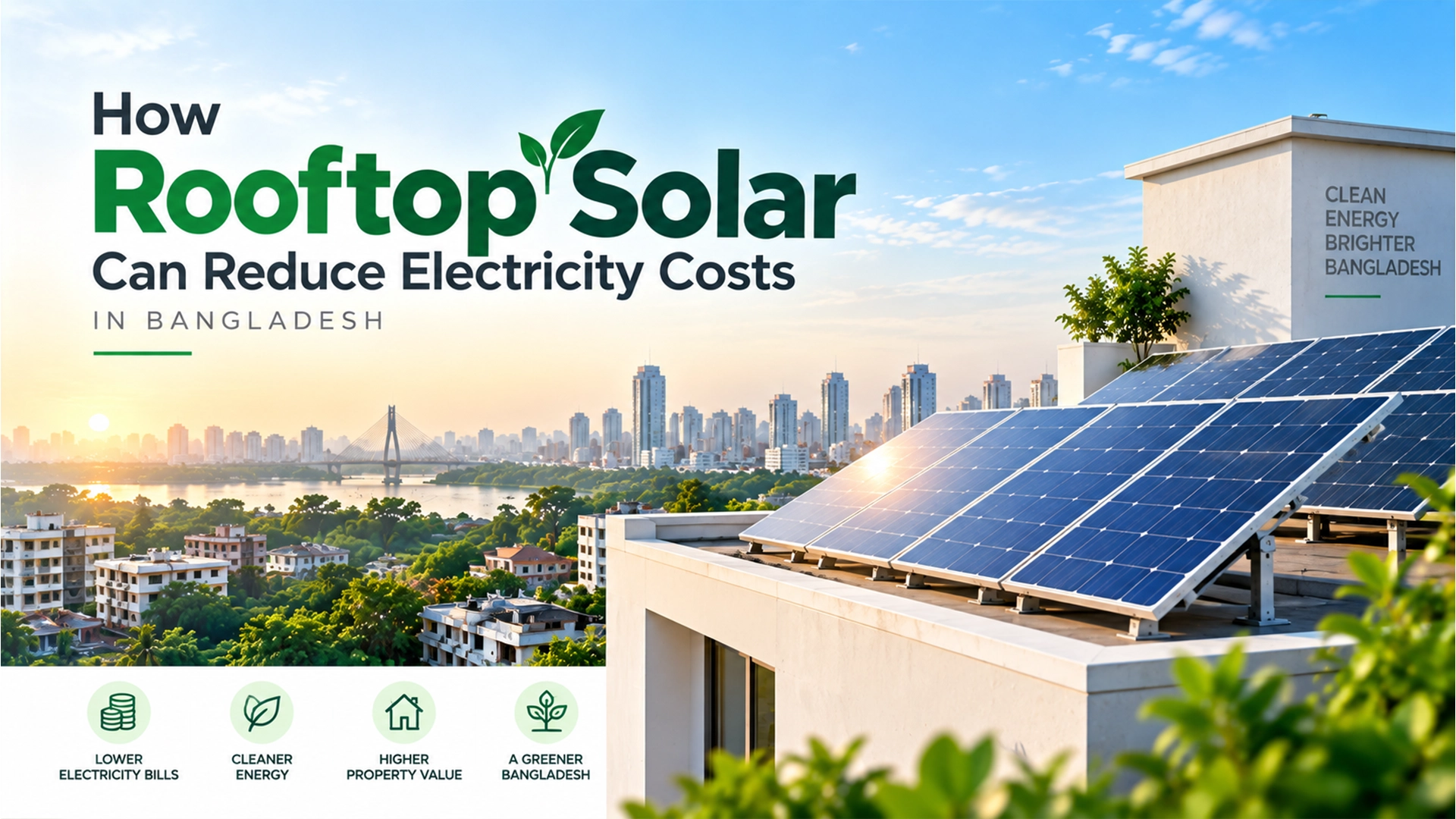
Solar installations can be adapted to many different environments. A small system may support a home, while larger rooftop installations can serve offices, shopping facilities, warehouses, educational institutions, and industrial buildings.
A typical solar solution may include:
Solar Panels → Inverter → Battery/Energy Storage → Electrical Loads
Depending on system design, solar electricity may be used directly, stored for later use, or integrated with other power sources.
This flexibility makes solar energy in Bangladesh relevant to both residential and commercial users.
3. Supporting Sustainable Industrial Growth
Bangladesh's industrial sector requires substantial amounts of energy. Garments, manufacturing, warehouses, commercial facilities, and other industries depend on reliable power to maintain operations.
Commercial and industrial solar installations can allow suitable businesses to generate part of their electricity from renewable sources.
Alongside solar generation, technologies such as inverters, UPS systems, battery storage, and intelligent energy management can contribute to a more integrated power strategy.
For businesses, the objective is not simply to install solar panels. A well-designed solution considers electricity demand, available space, load characteristics, backup requirements, system capacity, and long-term operating needs.
4. Reducing Environmental Impact
Conventional fossil-fuel-based energy generation releases greenhouse gases and other pollutants. Renewable sources such as solar and wind can generate electricity with much lower operational emissions.
Increasing the use of clean energy in Bangladesh can therefore contribute to broader efforts to reduce the environmental impact associated with energy production.
This is particularly relevant for Bangladesh because sustainable development requires balancing economic growth with responsible use of natural resources.
5. Building More Resilient Power Solutions
Sustainable energy is not only about where electricity comes from; it is also about how effectively electricity is managed.
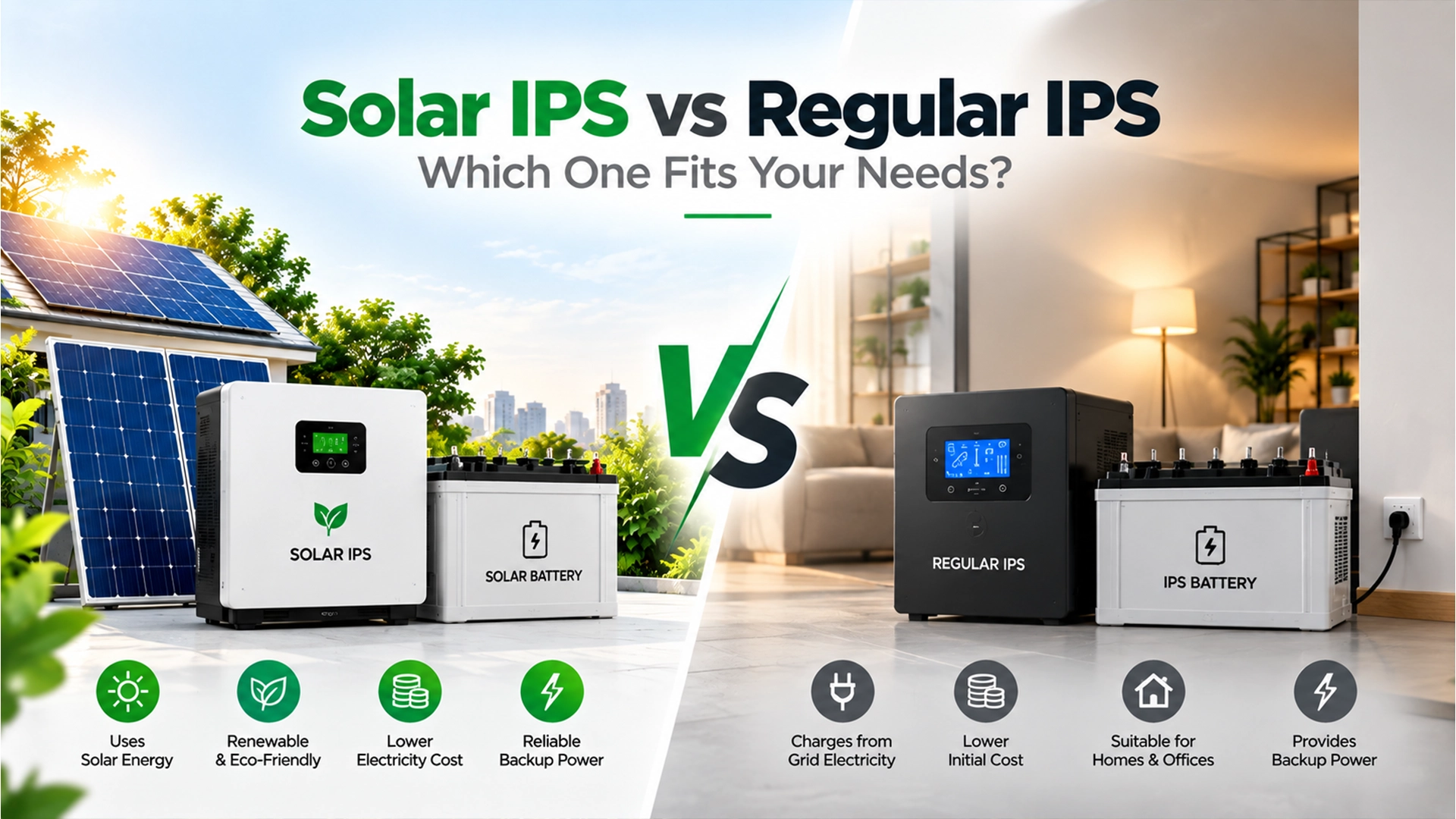
Solar systems combined with appropriate battery storage can store energy for later use. UPS, IPS, and inverter-based solutions can provide backup or power-management capabilities depending on the application and system configuration.
For homes and businesses, an integrated system may combine:
Solar Generation + Energy Storage + Inverter + Backup Power + Efficient Electrical Equipment
The correct configuration depends on the user's load requirements, budget, location, and expected backup duration.
6. Energy Efficiency Is Equally Important
Producing cleaner electricity is only one side of sustainable energy. Reducing unnecessary consumption is equally important.
Energy-efficient lighting, properly selected electrical equipment, efficient inverters, intelligent controls, and responsible usage can reduce overall electricity demand.
For example, replacing inefficient lighting with energy-efficient LED solutions can lower electricity consumption without requiring users to reduce necessary lighting.
When renewable generation and energy efficiency are implemented together, the overall energy system can become more effective.
Sustainable Energy for Homes, Businesses and Industries
There is no single sustainable-energy solution suitable for everyone.
A residential user may prioritize rooftop solar and backup power. A commercial building may need a combination of solar generation, energy storage, and efficient lighting. An industrial facility may require a much larger customized system based on its operational load profile.
Before selecting a system, users should consider factors such as:
| Factor | Why It Matters |
|---|---|
| Energy Consumption | Helps determine required system capacity |
| Available Space | Important for solar-panel installation |
| Backup Requirement | Determines battery or UPS requirements |
| Peak Load | Helps select suitable inverter capacity |
| Budget | Influences technology and system size |
| Future Expansion | Allows the system to accommodate growing demand |
Professional assessment and proper system sizing are important because an oversized or undersized solution may reduce cost-effectiveness and overall performance.
The Future of Sustainable Energy in Bangladesh
Bangladesh's future energy system is likely to involve a combination of conventional generation, renewable energy, energy storage, improved efficiency, and smarter electricity management.
Solar power has an important role to play, particularly where rooftops and other suitable spaces can be utilized. At the same time, improvements in battery technology, power electronics, and energy-management systems are expanding the possibilities for homes and businesses.
The transition will not happen through one technology alone. It requires appropriate investment, infrastructure, policies, technical expertise, and greater awareness among consumers and organizations.
For businesses and households, the first step is understanding their actual energy requirements and identifying where renewable generation or energy efficiency can provide practical value.
Conclusion
Sustainable energy in Bangladesh is about creating an energy system capable of supporting economic development while improving efficiency, diversifying energy sources, and reducing environmental impact.
Solar power, renewable energy, battery storage, inverters, UPS systems, and energy-efficient technologies can each contribute to that transition when they are selected and designed appropriately.
As Bangladesh continues to grow, adopting smarter and more sustainable energy solutions can help create a cleaner, more resilient and energy-secure future.
Ecovilo — Powering a Cleaner, Greener & Brighter Bangladesh.